
What if outreach began by making the church useful on Monday?
Imagine a church with a commercial kitchen that sits idle 95% of the time—surrounded by younger families who could use more opportunity, more local work and more reasons to think of the church as part of everyday community life.

Two kinds of capacity are sitting still.
The church has a kitchen, meeting rooms, parking, trusted relationships and a physical presence in the neighborhood. Much of that infrastructure is quiet most of the week.
Outside its walls are families with skills that rarely appear on a balance sheet: recipes, trades, childcare, repair work, crafts, knowledge and the willingness to work.
What if the institution first became more useful to the families outside it?
Some forms of capital are passed down as recipes.
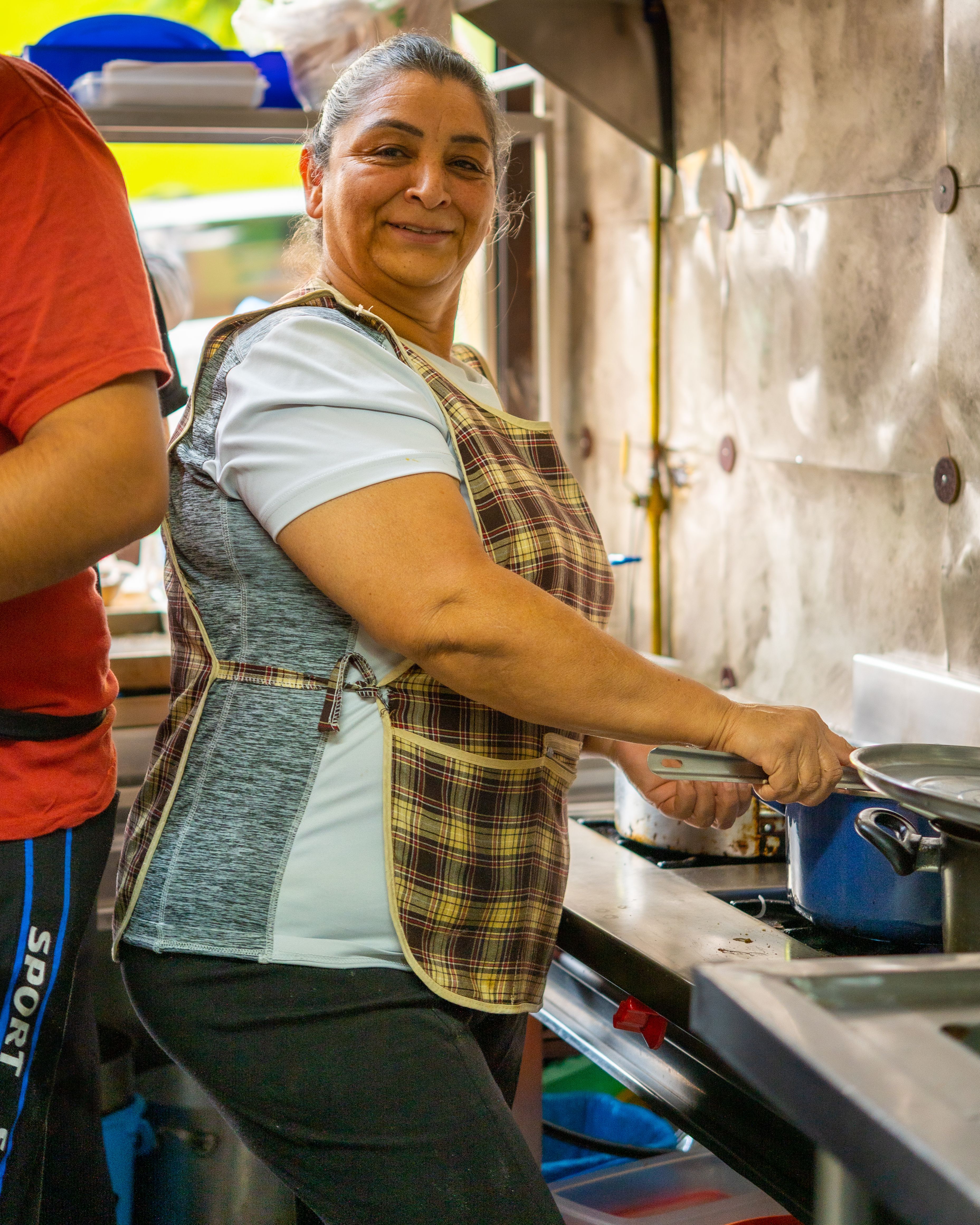
Someone already makes the bread everyone asks for. Someone has a family tamale recipe. Someone makes preserves, cakes, granola or another food people repeatedly ask to buy.
That knowledge can become household enterprise without beginning with a storefront, a commercial lease and a mountain of fixed overhead.
Texas makes that first rung unusually interesting. Under the state's current cottage-food framework, qualifying operations may earn up to $150,000 in annual gross food sales, adjusted for inflation.
Cottage-food production itself remains home-based. The church kitchen is not a loophole around those rules; it becomes useful as a separate, properly operated shared asset when producers need capabilities or activities beyond what makes sense at home.
Illustrative scenario, not legal advice. Food businesses must comply with applicable requirements.
Don't begin with the expensive part.
Start with knowledge and productive capacity that already exist.
Test demand with dramatically lower fixed overhead.
Use a trusted local marketplace to make sellers, buyers and opportunities visible.
When demand proves itself, shared infrastructure can become the next rung.
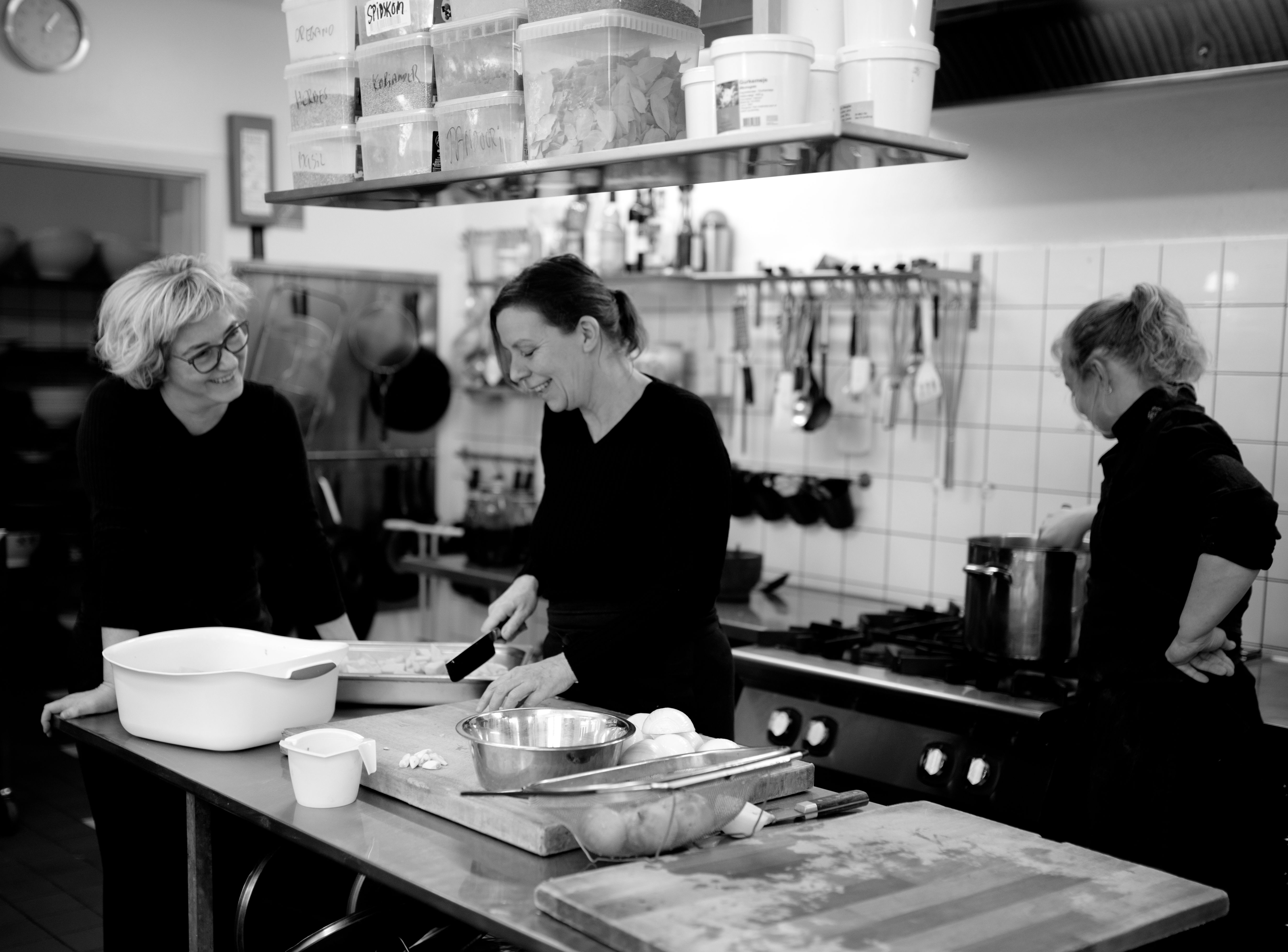
The kitchen is one node.
The network is the asset.
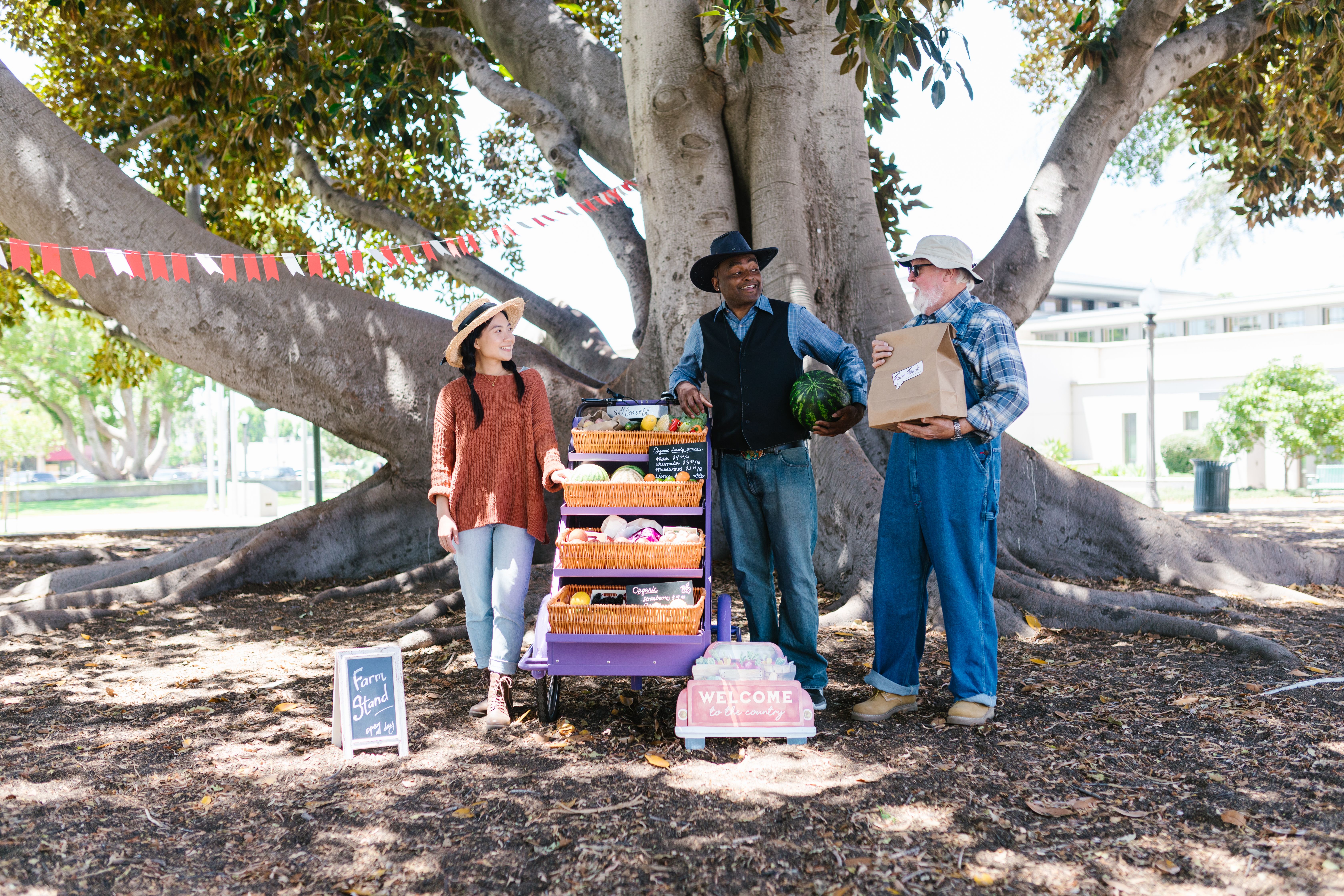
The church sponsors a trusted local marketplace where neighbors can discover food producers, services, products and identity-verified Help Wanted opportunities.
The same infrastructure that helps someone sell bread can help someone find a summer job, hire a local repair person or discover a nearby service business. The church can participate in the economics it helps make possible—but the point is not to squeeze rent from an idle room.
Economically invisible skills become discoverable products, services and work.
Its infrastructure and relationships begin producing value throughout the week.
Each useful transaction gives another person a reason to participate.
The institution can capture an agreed share of economic activity without owning the people who create it.
The church doesn't need to convince the neighborhood that it matters.
It can make itself matter to the neighborhood.
A mother remembers the church as the place that helped turn a family recipe into income. A teenager remembers where a first job appeared. A homeowner remembers where a trustworthy local repair person was found.
None of those relationships requires ministry to become a transaction. The ministry expands because the institution has become a dependable source of community benefit.
This deployment is hypothetical.
The mechanism behind it isn't.
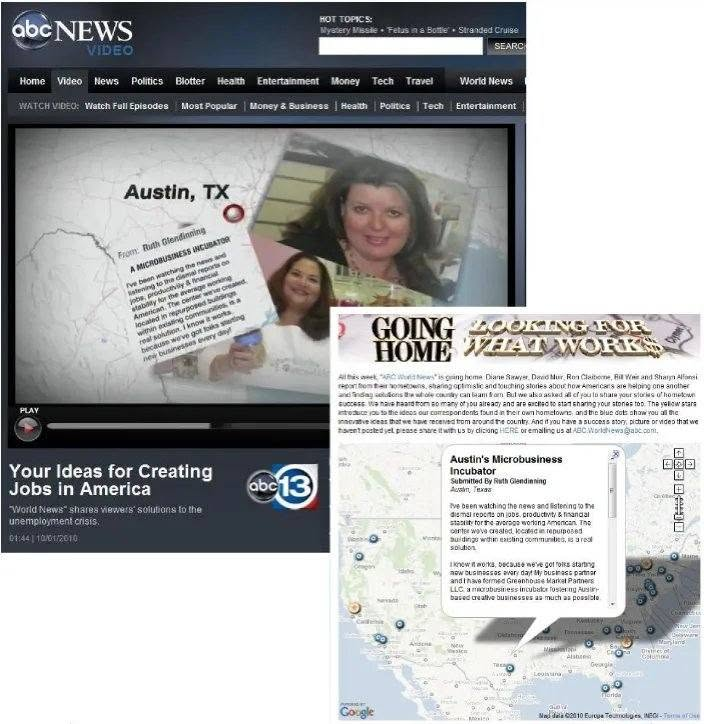
Long before Commonweave existed, Ruth Glendinning, founder of Future Story Lab, was testing what happens when stranded physical infrastructure is placed in service of household-scale enterprise.
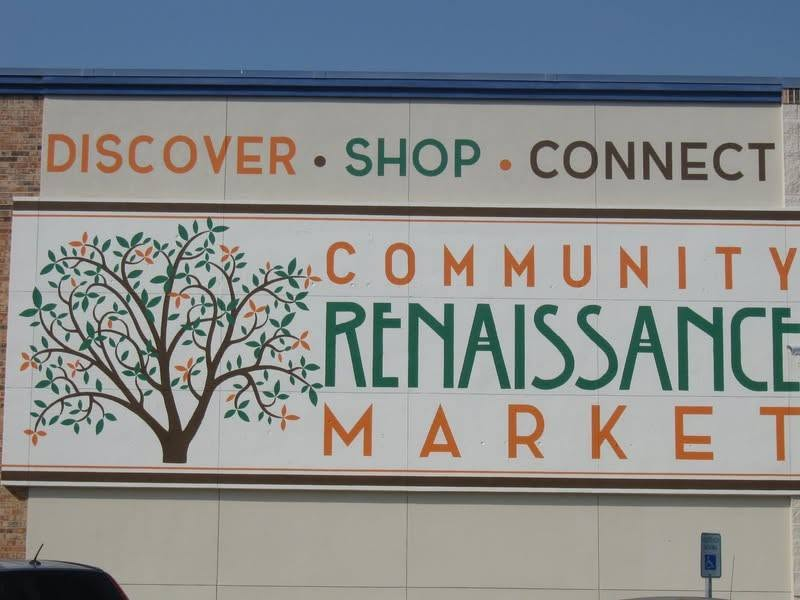
Community Renaissance Market
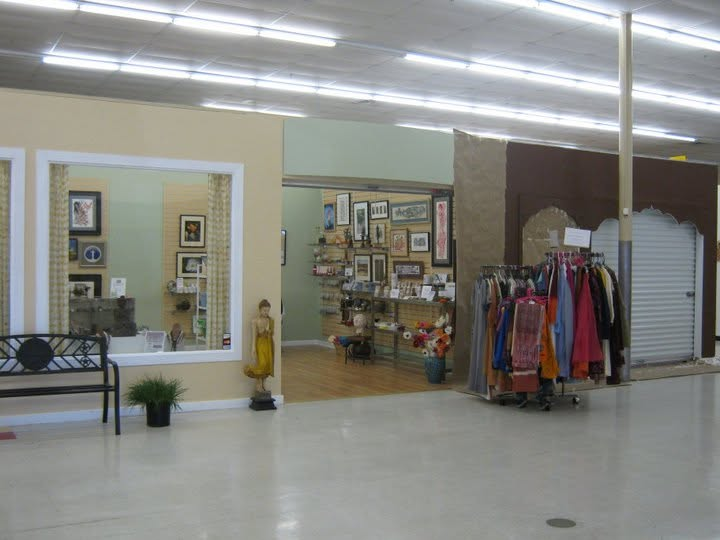
When a 60,000-square-foot Albertsons closed in South Austin, Ruth was given the opportunity to experiment. Community Renaissance Market repurposed the former grocery store as a microbusiness incubator organized around community, culture and commerce.
Ruth's published account describes more than 70 microbusinesses and innumerable “nano businesses” passing through the experiment, with many continuing afterward.
People already possessed productive capability. Shared infrastructure and coordination helped turn it into economic activity.
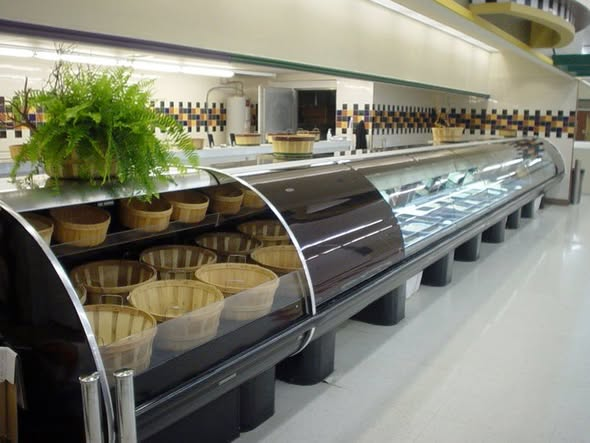
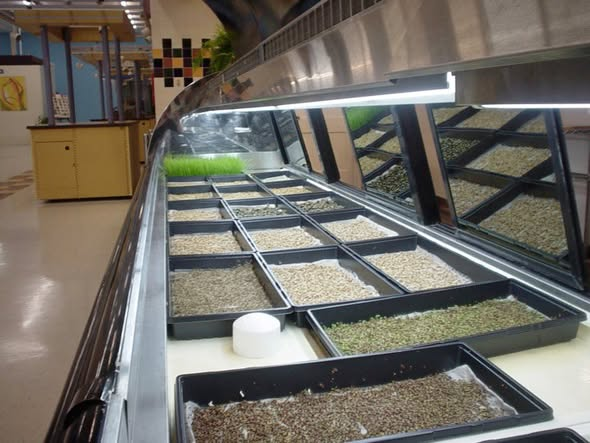
The valuable part wasn't carrying an Albertsons.
CRM also exposed the cost of making a community network depend upon enormous physical overhead. Ruth later described a new iteration—CRM 2.14—and went looking for a technology partner whose instincts matched what the physical experiment had taught her.
Sustainable · Local · Organic · Work
plus technology under the hood, where it belongs.
Ruth found that partner in 214 Alpha. Her own writing describes the 214 Alpha platform as the layer that could create a virtual marketplace while the neighborhood economic ecosystem took root.
People should experience neighbors, opportunity, trust, work and community—not a software implementation.
What if the church hosted a 24/7 bazaar for local work?
Not a literal spaghetti feed that never closes. A persistent local economic network: somebody is always selling dinner, fixing a fence, tutoring a child, cleaning a house, making something, hiring somebody or looking for work. The church becomes the trusted host that helps those transactions find one another.
The bazaar can stay open even when the building is closed.
Illustrative model only. This is not a forecast, promise or guarantee of participation, transaction volume, household income, church revenue, job creation or business success. “Average gross opportunity” divides seller/provider receipts across the selected number of active earners; actual earnings would vary widely. Fees and their use would be determined by the participating church and community.
Food is an easy metaphor: somebody in the community can almost always cook something somebody else would rather buy than make tonight.
Now widen the aisle: repairs, tutoring, childcare where lawful, cleaning, crafts, yard work, professional services, household goods and Help Wanted.
The church does not have to employ everyone. It can become infrastructure through which neighbors employ themselves and one another.
The church's economic upside is not separate from the community benefit. It is a residual consequence of making more useful local exchange possible.
It doesn't need another building.
The kitchen already exists.
The recipes already exist.
The families already exist.
The demand already exists.
Commonweave helps them find one another.
The church begins to extend a halo of practical benefit beyond its congregation. The community earns more money. Local capability becomes easier to discover. Existing infrastructure works harder. And the church earns both economic participation and something harder to purchase: renewed relevance in the daily lives of the people around it.
Hypothetical Commonweave deployment · Mechanism informed by real field experience · Not a customer-performance claim. Community Renaissance Market is presented as historical provenance for the underlying coordination model, not as a Commonweave customer result.
What capacity is sitting still in your community?
Tell us about your organization, the people around it and the problem you're trying to solve. We'll help model what a Commonweave economic engine could look like.