
Everybody wants it.
Nobody knows how to pay for it.
Imagine a town where the kids need somewhere to skate, parents agree, local businesses agree, and the city agrees. The only thing missing is the roughly $750,000 everybody assumes must appear before anything can begin.
The skating is already happening.
The kids are at the loading dock behind the grocery store. They are on courthouse steps. They are carving around a parking lot because it is smooth enough and nobody has chased them away yet.
Parents don't necessarily want them there. Merchants don't necessarily want them there. The kids don't necessarily want to be there either. They need a place.
“If your town doesn't have a skatepark, your town IS a skatepark.”
That was one of the operating principles behind Skaters for Public Skateparks (SPS), a nonprofit founded and led by the same founder who later created 214 Alpha, the company behind Commonweave. SPS helped communities organize, advocate for, design and ultimately build public skateparks. When a town provides no legitimate place to skate, the activity does not disappear. It spreads across loading docks, plazas, curbs, schools and whatever smooth concrete is available.
Then somebody puts a number on it.
A committee forms. Somebody gets a rough estimate. Land, design, drainage, concrete, amenities, contingency: call it $750,000. The useful question becomes a fundraising question.
What if the first task wasn't to raise $750,000?
What does this town already know how to do?
Someone repairs fences. Somebody bakes cakes. A retired mechanic still knows engines. Teenagers mow lawns. A carpenter needs weekend help. A restaurant can host an event. A contractor knows excavation. Somebody has written grants before. None of those things is a skatepark. All of them are capacity.
The town doesn't need Commonweave to invent capacity. It needs infrastructure that helps existing capacity find itself.
Don't begin with “Donate to the skatepark.”
Begin with something more immediately useful: Hire somebody local. Sell something. Help somebody. Make some money.
Residents, local businesses, families and participating organizations enter a Commonweave community with verified identity, local context and earned reputation.
“Need two people Saturday to clear brush — $150.” “Need brakes replaced on a 2012 F-150.” “Help moving furniture — $100.” The first transaction does not need to be heroic. It needs to be useful.
The teenager keeps the $150. The mechanic gets paid. The food seller keeps the sale. The cleaner gets a customer. People become economically stronger before the project asks them to sacrifice anything.
If the community chooses to retain a small transaction fee, a tiny fraction of useful local exchange can begin accumulating toward common goals while most of the value remains with the people who created it.
The town isn't extracting money from people to build the skatepark. It is helping people make money while a small residual begins accumulating toward something they already want.
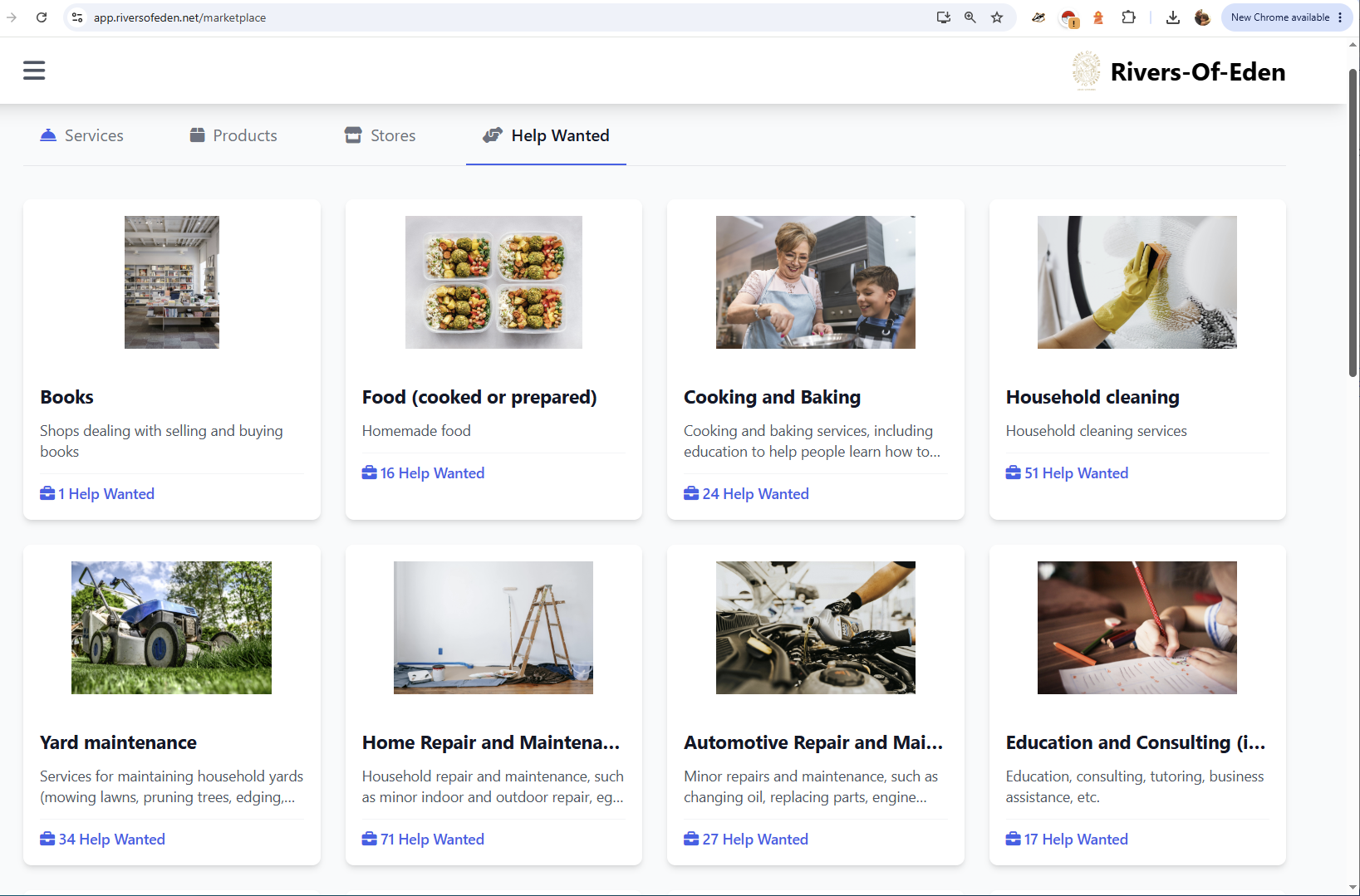
Help wanted. From actual people nearby.
The work layer can begin with everyday local needs: yard maintenance, repairs, moving help, tutoring, household services and small jobs.
The important thing is not maximum reach. It is relevance, identity and enough trust to act.
The scenario is hypothetical. The mechanism isn't.
Commonweave did not begin as a software theory. Its architecture reflects more than 35 years of firsthand experience by 214 Alpha's founder helping communities organize around shared problems, navigate institutions, design collaboratively, mobilize resources and turn collective intent into physical infrastructure.
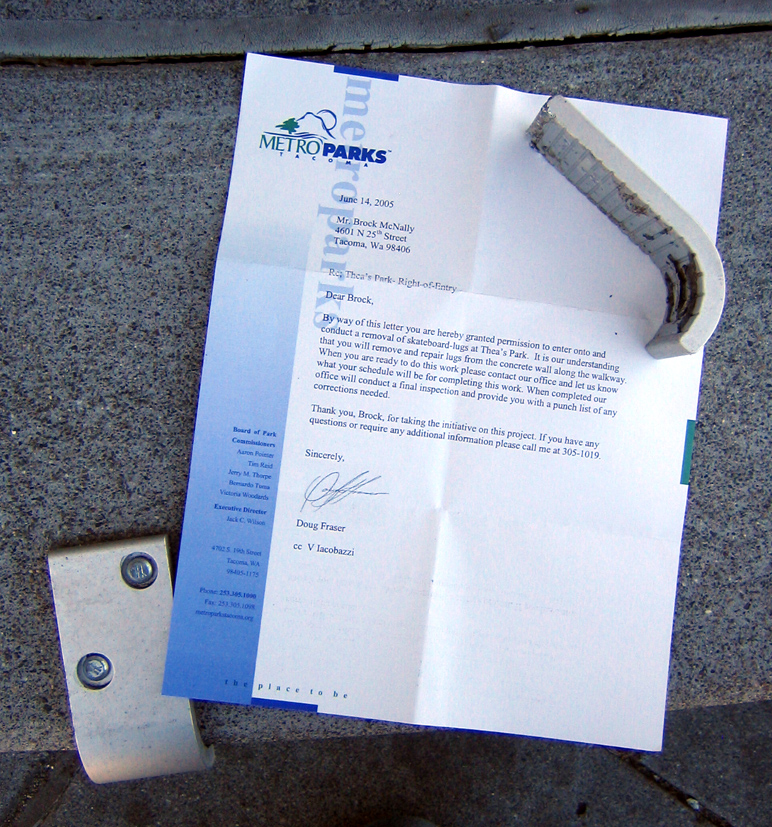
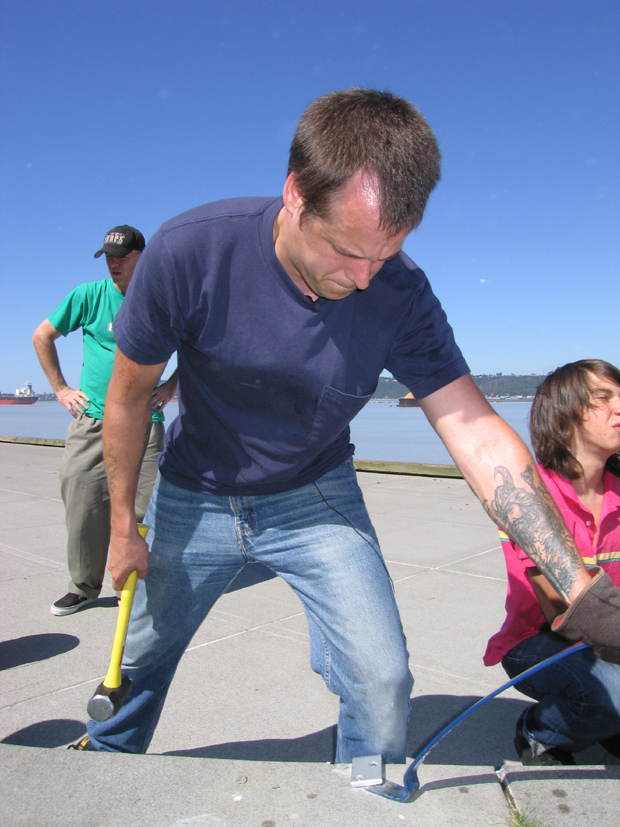
These photographs document one chapter of that history: real public-skatepark advocacy, participatory design and construction work undertaken in communities across the United States during the mid-2000s. Some survive only at the resolution of digital cameras and websites of the era. We include them because what they document matters more than polished pixels.
The software is new. The experience encoded in it isn't.
Read the 214 Alpha whitepaper →
Explore the research & architecture →
From five steps to seven.
Before Commonweave, 214 Alpha's founder created and served as executive director of Skaters for Public Skateparks, helping communities turn the desire for public skateparks into organized civic action. SPS used a five-step process that began with Vision and ended with Management. The work was published in book form, proved useful in real communities, and ultimately led to an invitation to serve on the board of the Tony Hawk Foundation as SPS's programmatic work was absorbed into the Foundation's broader skatepark-development efforts.
Years later, that field-tested process evolved into CALM — the Community Activation and Launch Methodology. CALM keeps the same basic arc, but adds more nuance around the conditions that precede a shared vision, the work required to activate and launch a community, and the obligation to think beyond management toward stewardship.
The final word changed for a reason. Management asks how something keeps operating. Mindful stewardship asks how it remains useful, healthy and owned by the community after the founders stop being important.
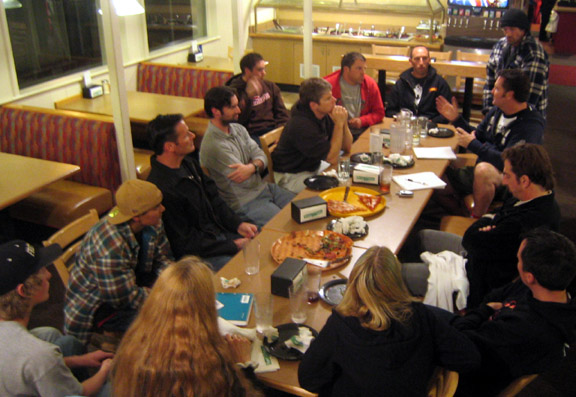
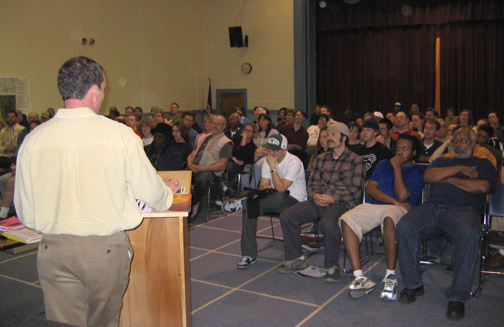
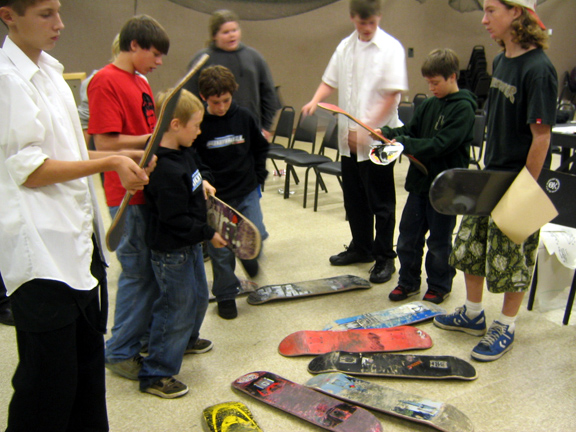
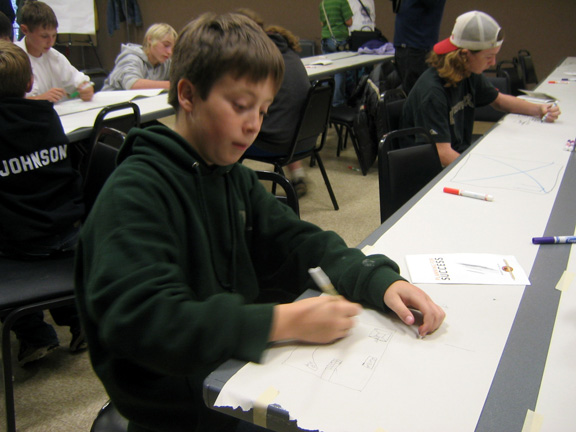
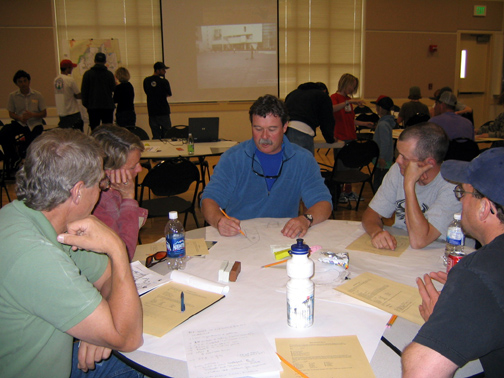
Permission → action → inheritance
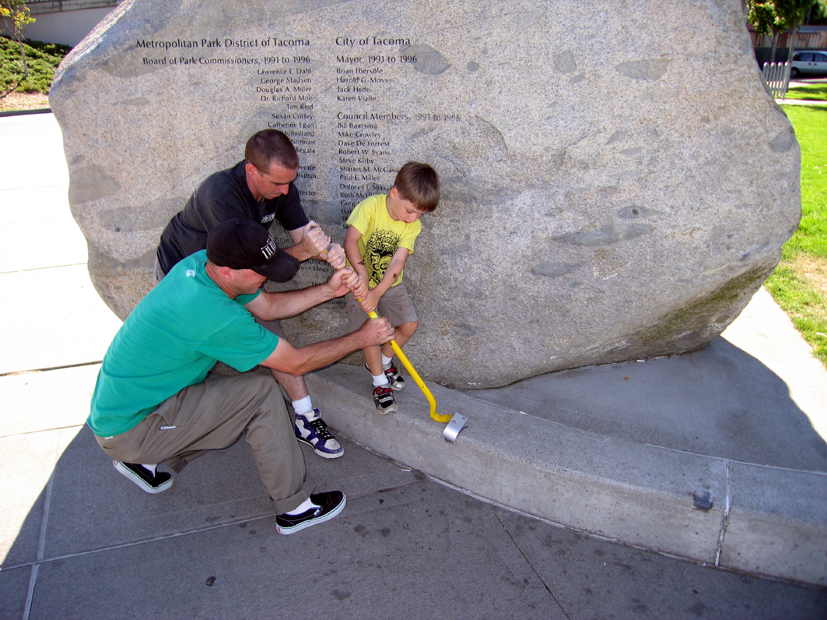
At some point, the meeting becomes a thing.
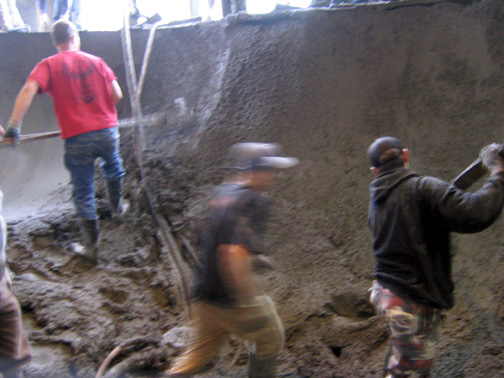
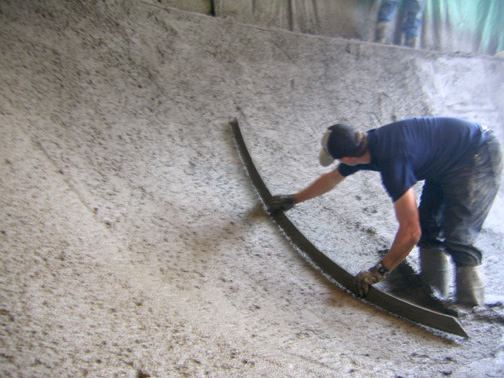
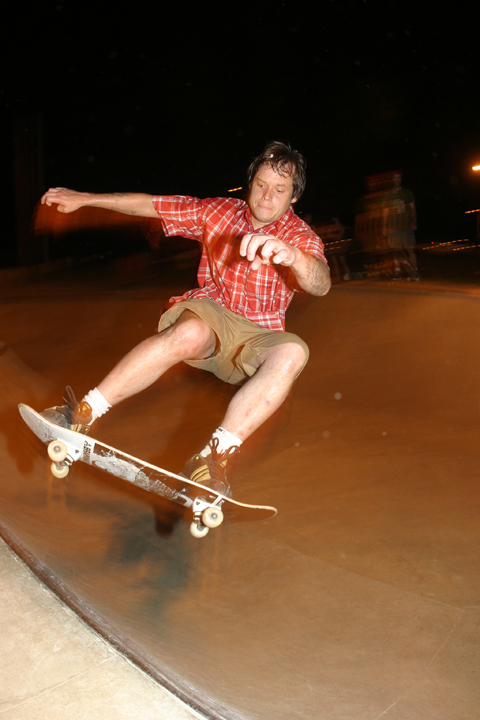
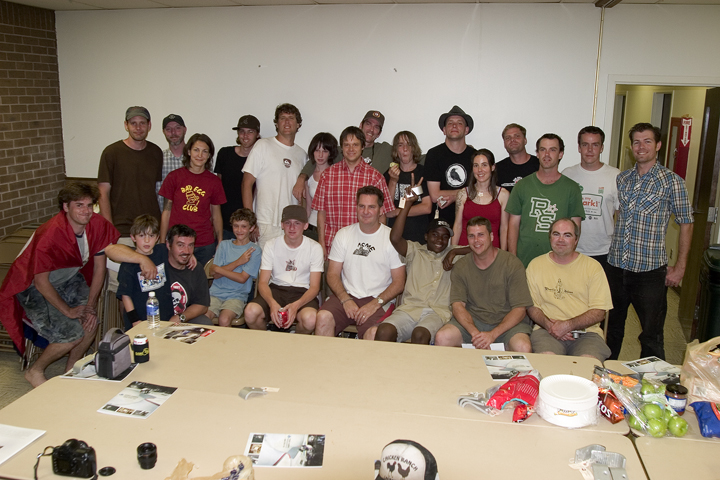
People have always known how to do this. Commonweave is what we built after decades spent learning where the process succeeds, where it breaks, and what infrastructure helps it endure. CALM is the evolved operating method; Commonweave is the coordination infrastructure built around that accumulated experience.
The network starts revealing more than money.
The skatepark effort now has something a donation campaign alone could never reveal: a living map of people, skills, businesses, relationships and earned reputation.
The network begins exposing capabilities that existed all along but weren't coordinated.
A $750,000 problem does not always remain a $750,000 cash problem.
Move the sliders. This model combines locally retained marketplace value, direct contributions, in-kind work and outside capital to show how different forms of participation can reduce the remaining cash gap.
Illustrative model only. The scenario is hypothetical and is not a forecast, promise or guarantee of participation, commerce, donations, grants, in-kind support, project cost, revenue or completion. Community fees, project allocations and governance would be determined by the participating organization and community. Actual results depend on local conditions and execution.
Not enough to build the whole thing. Enough to finish what the town has already begun.
The city contributes land and infrastructure. A business contributes material. Residents contribute cash. Local commerce has been creating recurring value. Volunteers and participants have created visible legitimacy. The outside grant is no longer salvation. It is the last piece of a structure already standing.
The town didn't discover $750,000. It discovered itself.
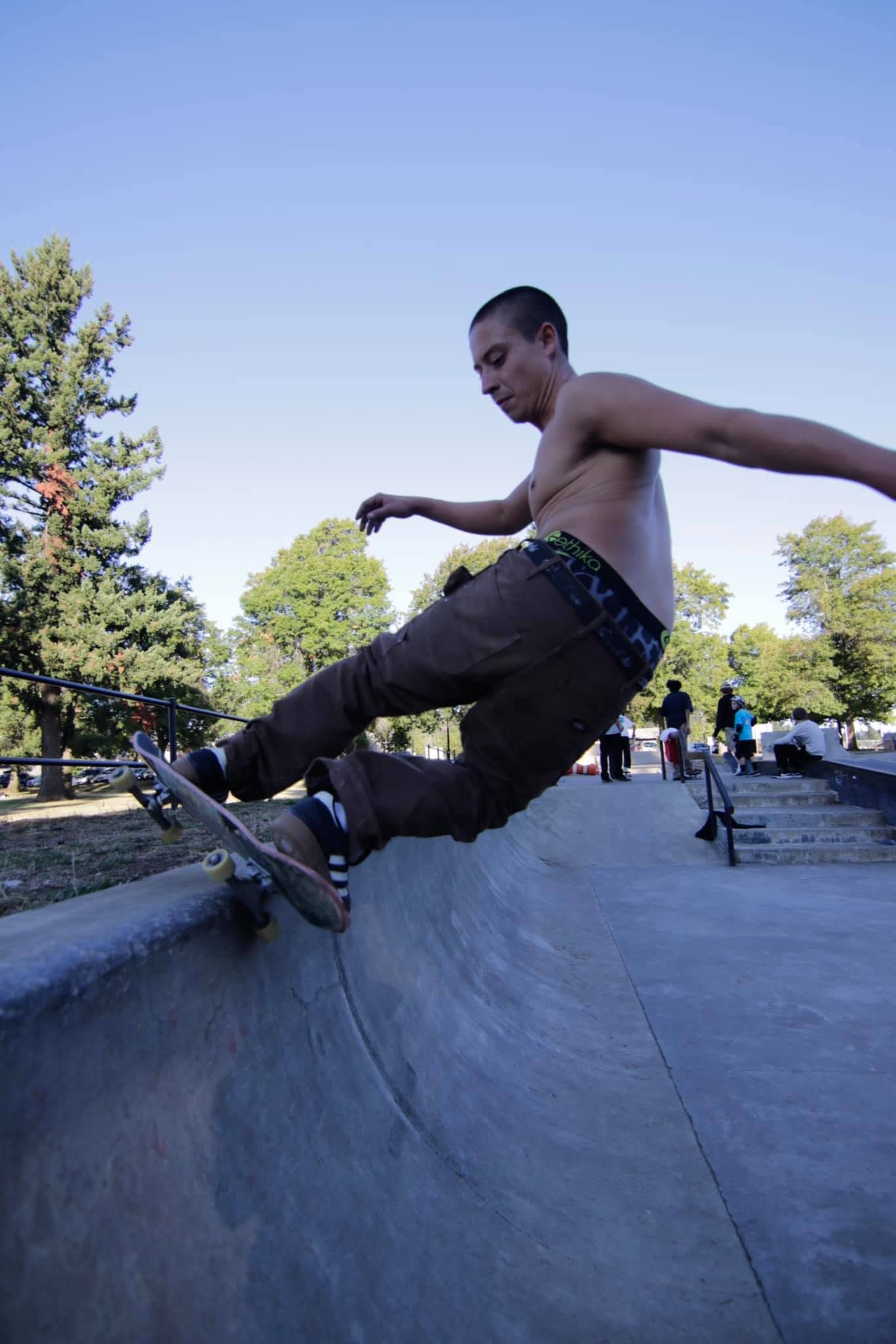
Isaac, 214 Alpha's founder's son, pictured earlier in this archive as a child helping remove the final skate deterrent, skating Glenhaven as an adult.
Good community infrastructure eventually belongs to the people who inherit it.
The people using a successful public place years later may never know who sat in the meetings, wrote the letters, drew the plans or solved the first funding problem.
Glenhaven itself grew from the same kind of community organizing documented above—work undertaken while Isaac and his brother were still children.
That is not a failure of memory. It is often evidence that the place escaped its founders and became ordinary civic life. It is also why CALM ends with Mindful Stewardship rather than simple management.
Some of the children beneath the table eventually became the adults skating the park.
It didn't build the skatepark.
It helped people see one another, trade, organize existing capability, accumulate resources, make decisions and act together.
The skatepark was one of the things that became possible.
Different problems. Same underlying question.
What becomes possible when a community can see and coordinate the value already present inside it?
What does your town already have?
Tell us what your community is trying to build. We can start with the people, skills, relationships, economic activity and institutional assets already present—and model a plausible path from there.
Does this path look familiar?
Contact us and we'll start the conversation with this scenario already attached, so you don't have to explain which Commonweave use case brought you here.
Contact us about this path →Start with this path.
We already know you came here through the Imagine — Town That Needs a Skatepark scenario. Tell us enough to begin the conversation.