



White-label community coordination infrastructure

Your community creates the value. Why should somebody else own it?

Give your members a trusted place to buy, sell, find work, communicate and govern — while your organization keeps the economics, the data, the identity and the brand.

See how it works →

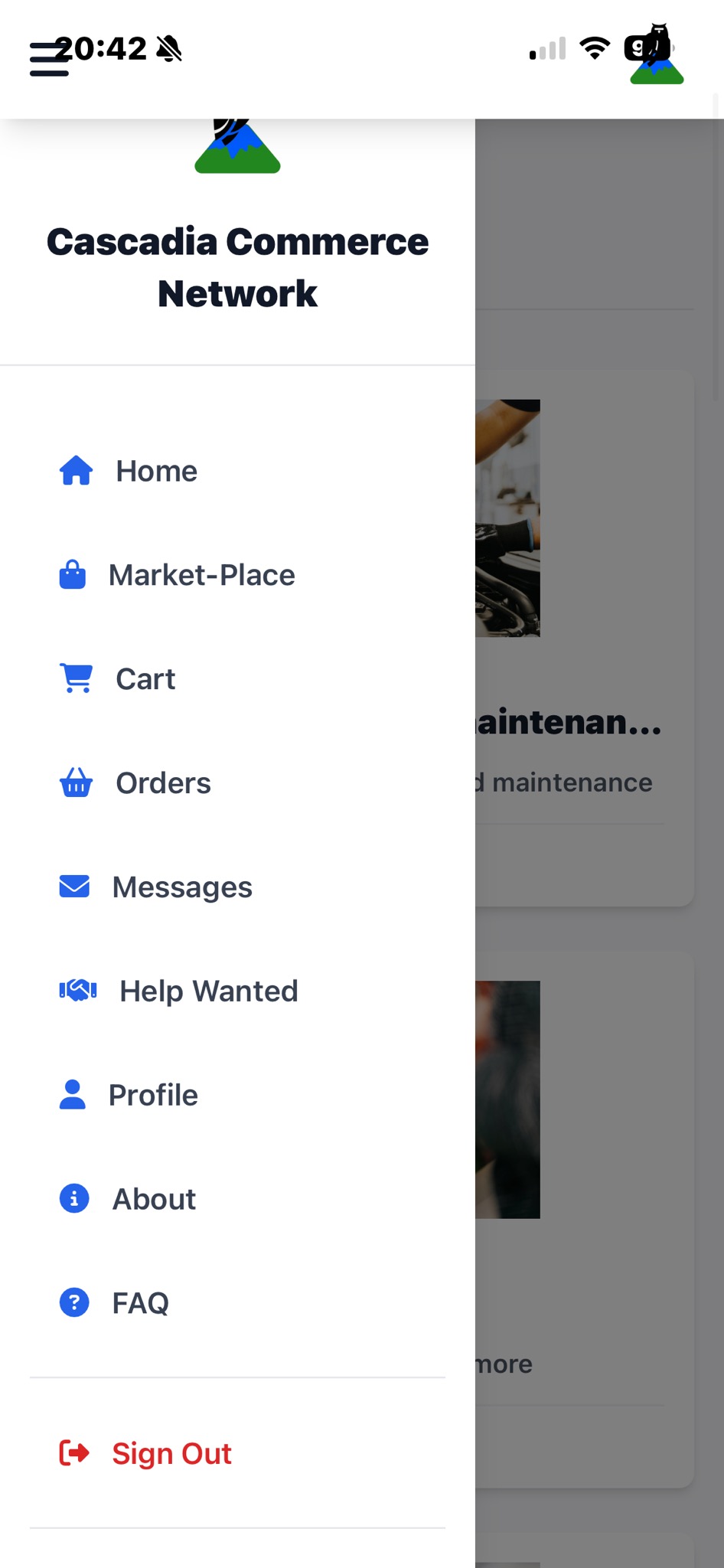
Two generations spending time together Community Help Wanted screen
Technology should strengthen the relationships already there.
Verified people.Earned reputation.Community-owned economics.No ad auction.
People before platforms

Software is only useful if it helps people deepen their roots where they already live.

The point isn't to build another destination on the internet. It's to give real communities better infrastructure for trust, exchange, work and stewardship.

Why this is different

Community sovereignty, not platform extraction.

The architecture consistently makes the same choice: strengthen the institution using the platform instead of extracting value from it.

01
Your economics

Your organization can keep transaction fees that a conventional platform operator would normally retain, turning participation into recurring revenue.

02
Your decisions

Members can vote on how community-generated funds are reinvested, turning marketplace activity into stewardship and shared ownership.

03
Your people

Bounded membership and verified identities create a higher-trust environment. No fake accounts. No disposable personas pretending to belong.

04
Your reputation

Standing is earned through conduct and contribution. Nobody buys their way to the top with an advertising budget.

05
Your data

Without an advertising model, there is no reason to hoard behavioral data. Customers steward their own information and learn how to protect it responsibly.

06
Your commerce

Buyers and sellers can negotiate directly, preserving room for human judgment, local circumstances and real relationships.

07
Your name

The app is white-labeled. Your members see your organization. 214 Alpha supplies the infrastructure and stays behind the scenes.

Local Economic Engine

What happens when a little spending stays close to home?

You don't need to capture all of your community's spending. Model what happens when a small portion of economic activity people are already doing is redirected through their own local network.

Move the sliders. This is an illustrative economic model, not a projection or guarantee of customer performance.

Annual local commerce
$840,000
economic activity moving through participating local sellers
$70,000monthly local commerce
$84,000annual revenue retained by the organization
$7,000monthly revenue retained
3.6 mosimple recovery of a $25K first-year deployment*
Then the economics become governance.
Your members can participate in deciding how community-generated fees are reinvested — operations, seller support, local projects, emergency assistance, or priorities they choose together.
What could this look like in your community?

You’ve modeled the economics. Now tell us who you serve and what you’re trying to build.

Model my community →
The flagship platform

This is the thing your community uses.

A branded mobile-first operating environment for the economic and civic life of a bounded community.

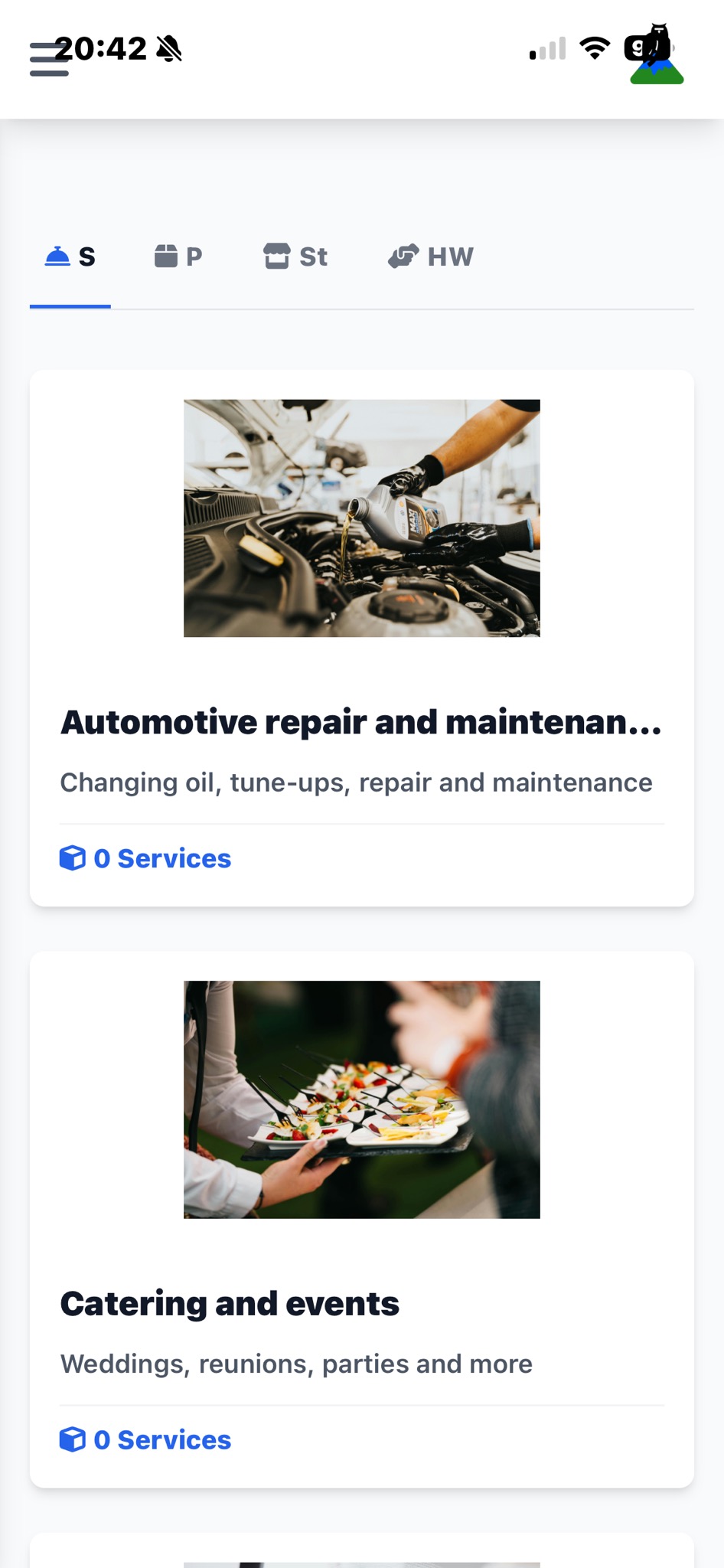
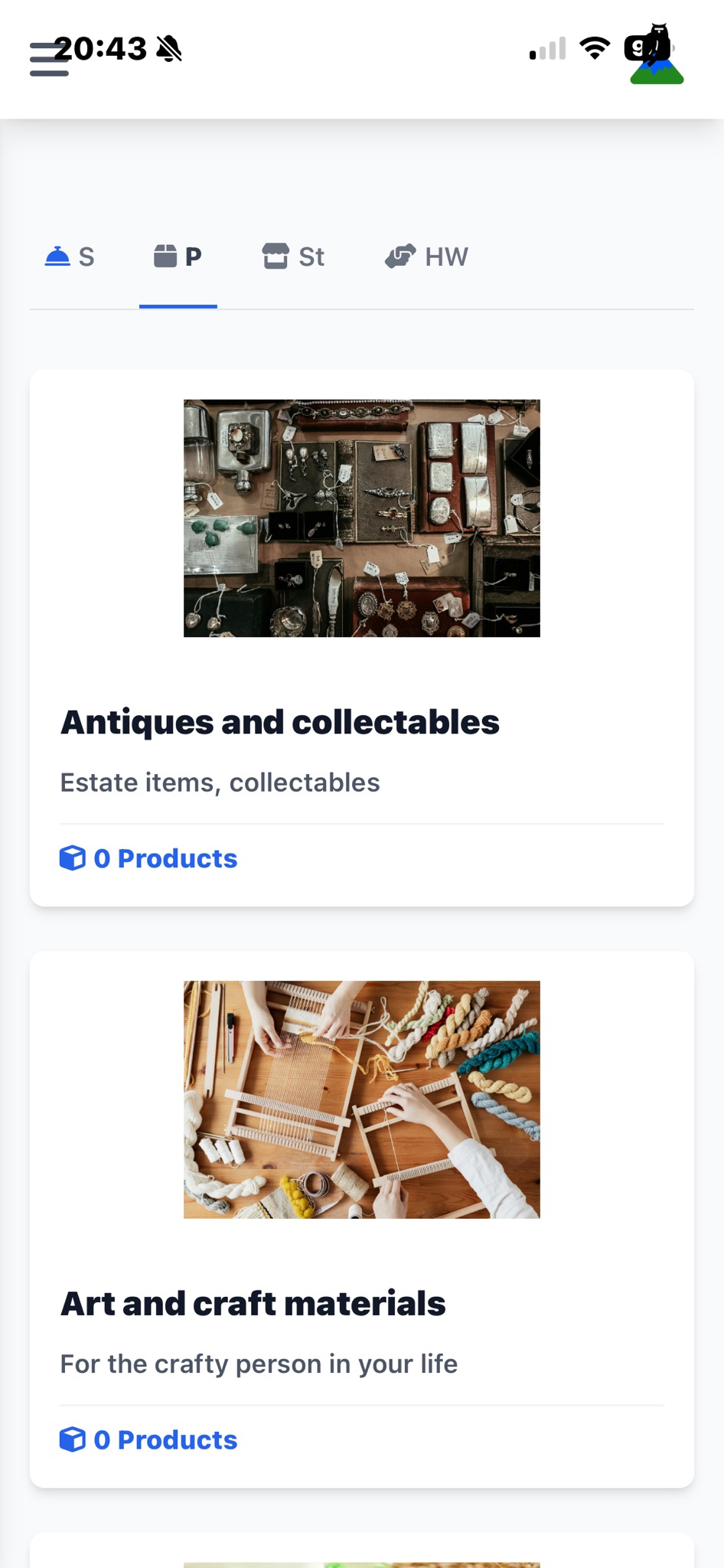
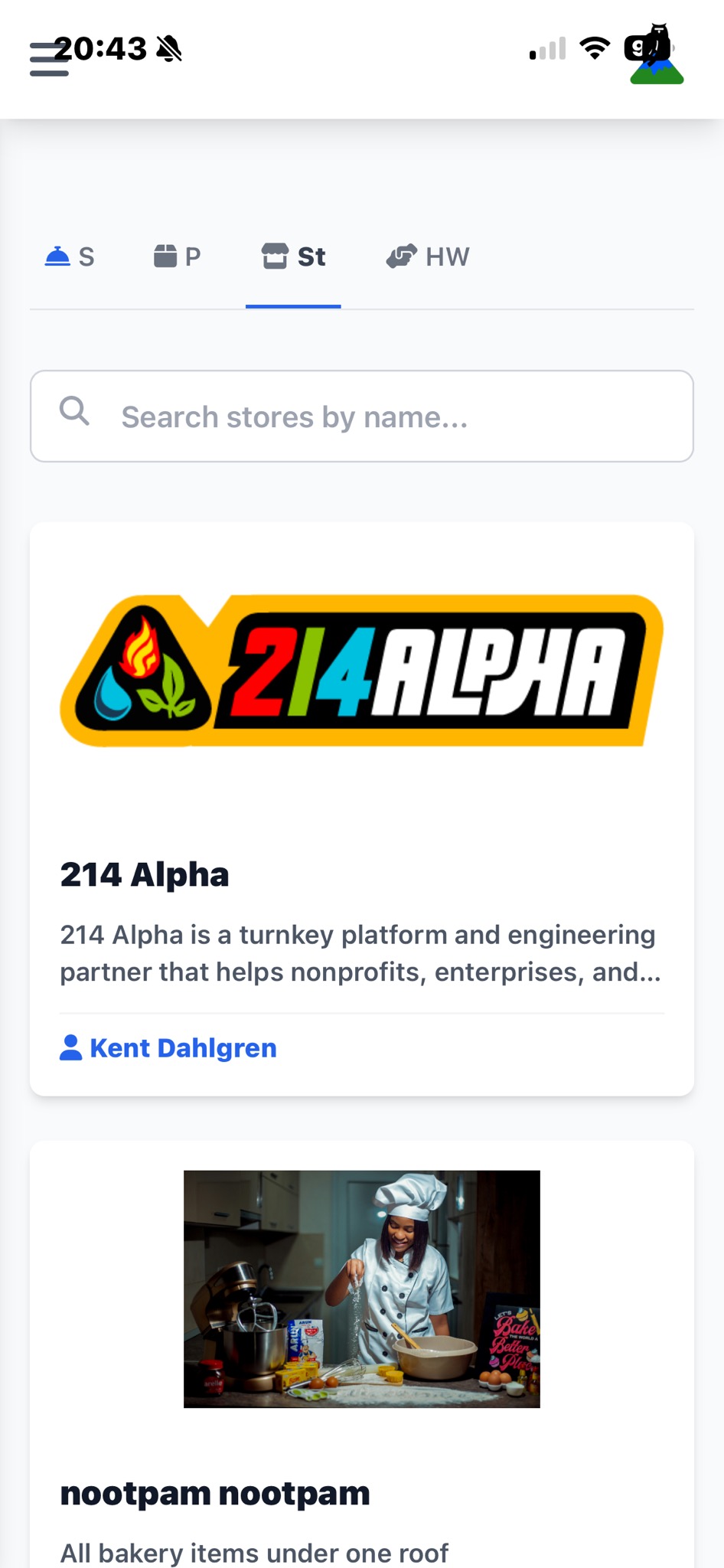
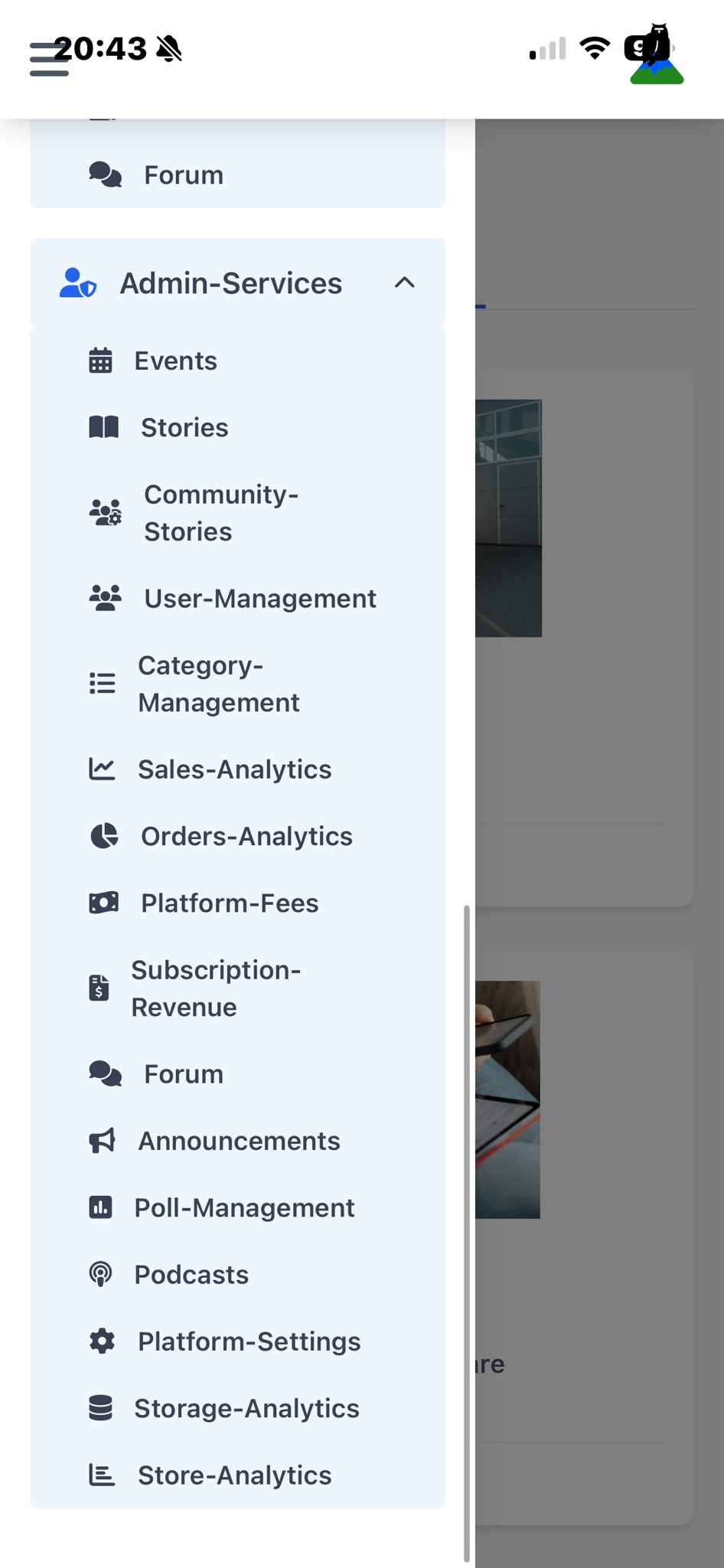
Members can discover products and services, browse stores, find work, place orders, message one another, participate in events and stories, and take part in the governance of the system they are helping sustain.

ServicesProductsStoresHelp WantedOrdersMessagesEventsPollsStoriesGovernance
Hands carrying locally gathered applesHands holding flowers
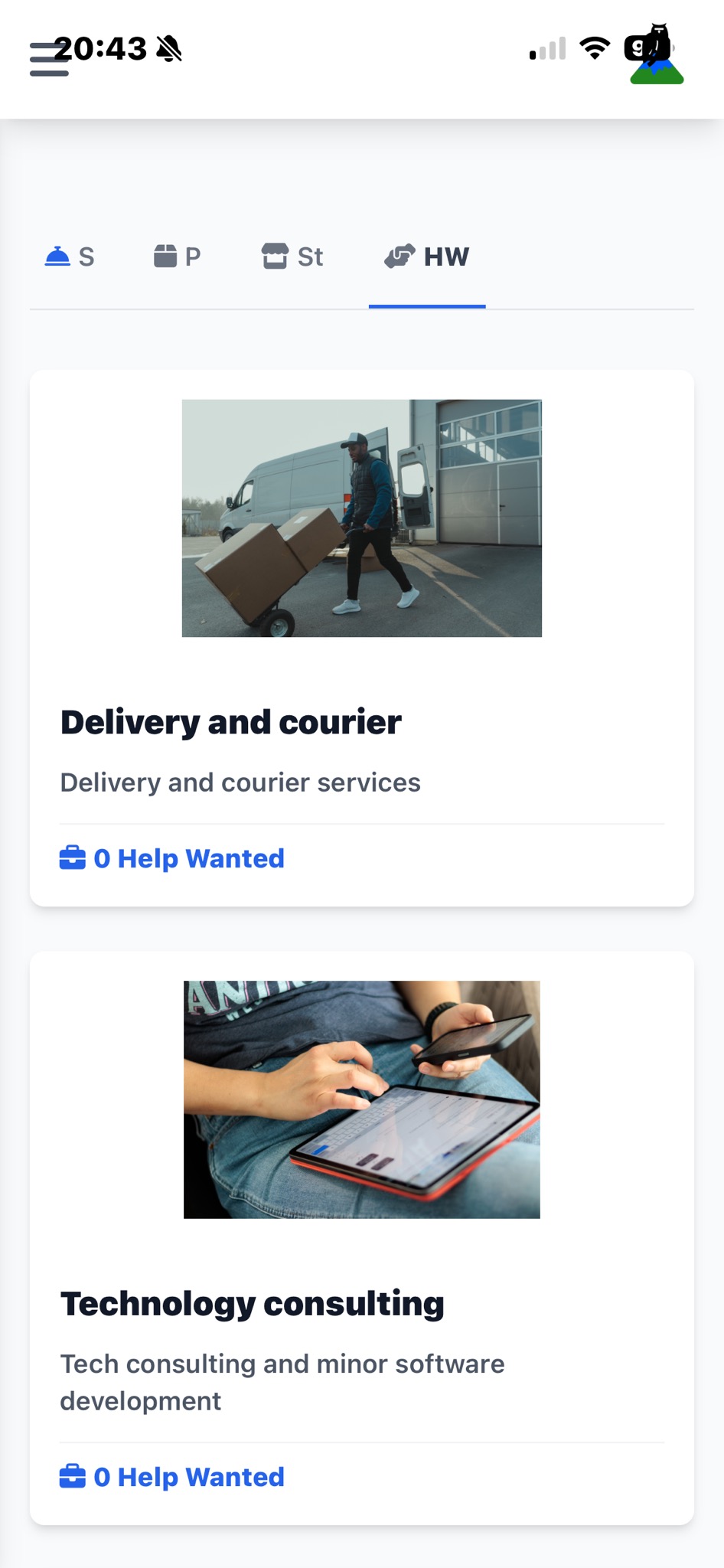
Help Wanted

Find work among people who are actually part of your community.

Most job boards optimize reach. A bounded community can optimize trust and relevance.

A local veteran network, church, co-op or neighborhood does not need thousands of anonymous applicants. It needs the right verified person who can actually show up, do the work and build a reputation that matters inside the community.

Real people. Local context. Reputation that follows behavior.

Imagine

What does Commonweave look like when the problem is yours?

The easiest way to understand coordination infrastructure is to start with a situation you already recognize. Imagine stories begin with the problem, follow the people living inside it, and show how Commonweave can change what becomes possible. The scenarios are hypothetical; the mechanisms are informed by real field experience.

Imagine 01 · The Struggling Nonprofit

What if helping your community earn more could also make your mission stronger?

A small nonprofit is tired of living from grant cycle to grant cycle. Instead of asking its community for more money, it creates a trusted local network that helps people find useful paid work close to home.

The nonprofit becomes economically stronger as a residual consequence of making its community economically stronger.

Read Imagine 01 →

Hypothetical scenario · Informed by real field experience · Not a customer-performance claim
Imagine 02 · The Town That Needs a Skatepark

What if the town stopped asking where $750,000 would come from?

The kids are already skating. The town wants a real park. Instead of treating the entire project as a fundraising problem, the community begins organizing the work, commerce, skills, contributions and outside capital already within reach.

The town does not discover a pile of money. It discovers its own capacity to coordinate around something people already want.

Read Imagine 02 →

Hypothetical scenario · Informed by real field experience · Not a customer-performance claim
Imagine 03 · The Church That Became Useful on Monday

What if outreach began by making the church useful on Monday?

A church has a commercial kitchen, meeting rooms and trusted relationships that sit quiet most of the week. Around it are families with skills, recipes, needs and economic capacity that rarely find one another.

Instead of treating outreach as a campaign to bring people inside, the church becomes useful in everyday community life — helping local work, enterprise and relationships become easier to discover and coordinate.

Read Imagine 03 →

Hypothetical scenario · Informed by real field experience · Not a customer-performance claim
Imagine is a growing library. These three stories begin with different constraints — nonprofit revenue, civic project funding and dormant institutional capacity — but ask the same question: what becomes possible when the people, skills, relationships and assets already present can find and organize around one another?

The economic wedge

Start with something people already understand: making money.

Commerce creates repeated participation. Repeated participation creates reputation, accountability, norms and eventually meaningful governance.

$40K/momodeled marketplace activity at the six-month milestone
$4K/mocommunity revenue at a 10% transaction fee
$191K+/momodeled marketplace activity at the mature 12-month scenario

The marketplace isn't the whole product. It's where the community learns how to use the rest of it.

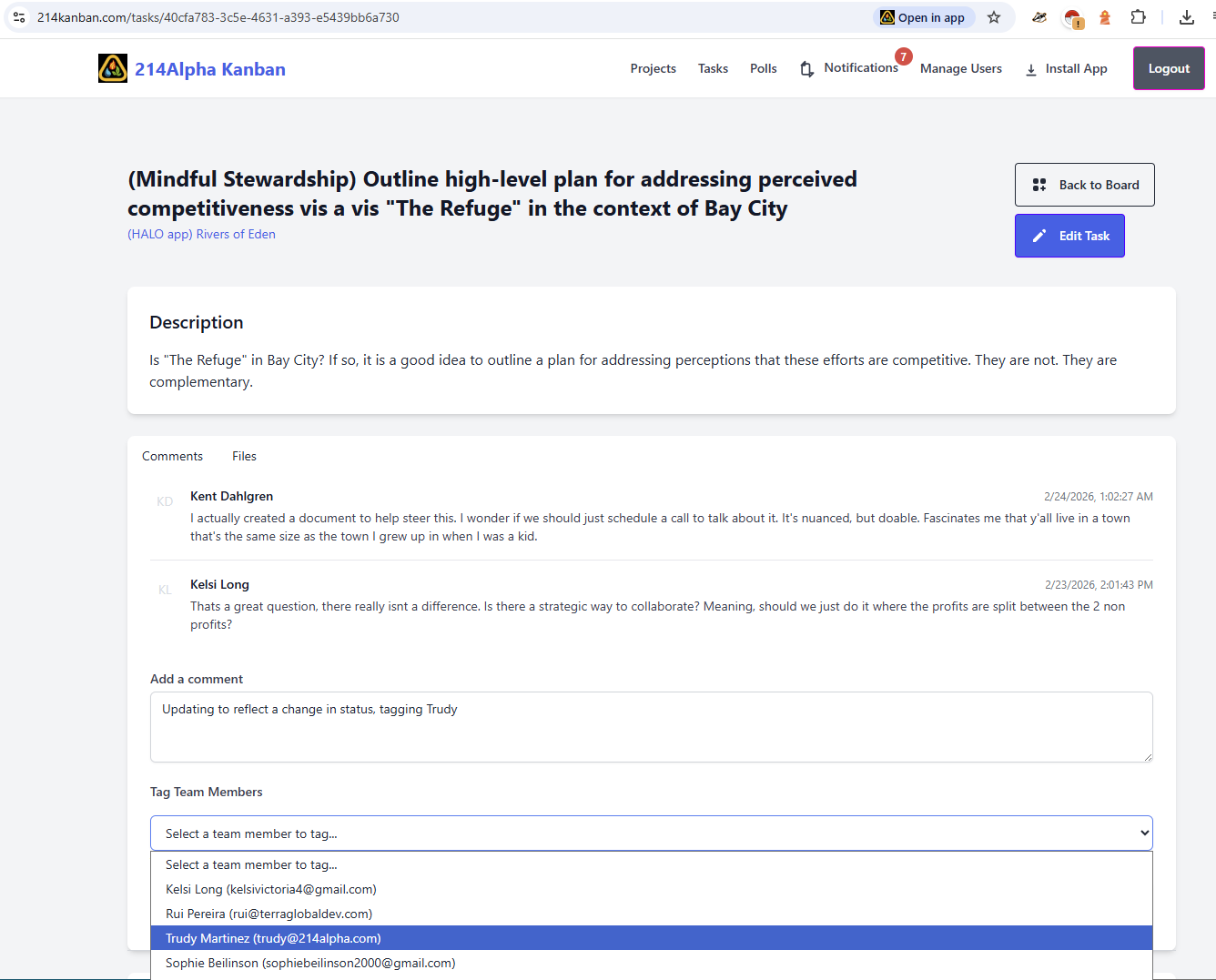
Kanban Chat

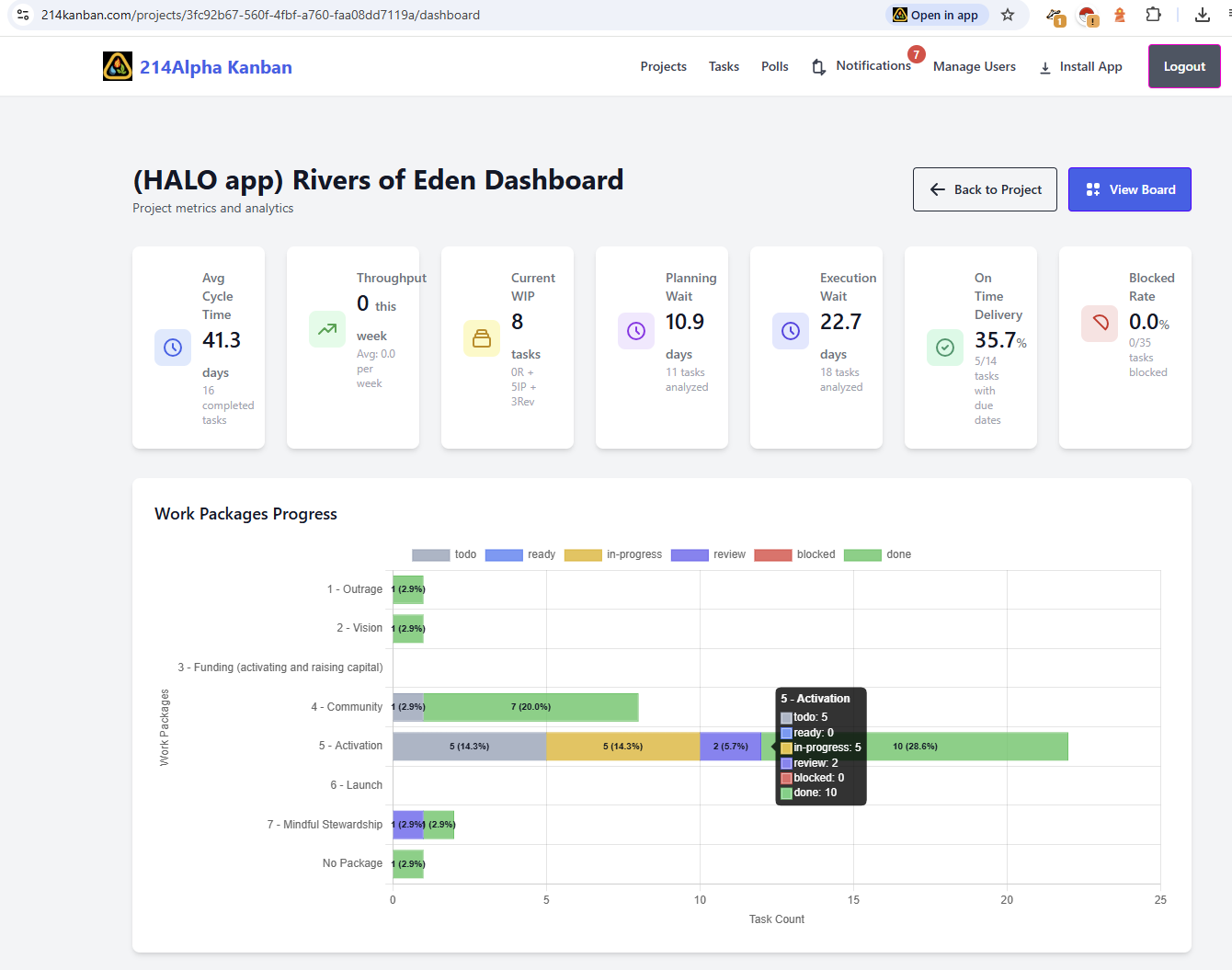
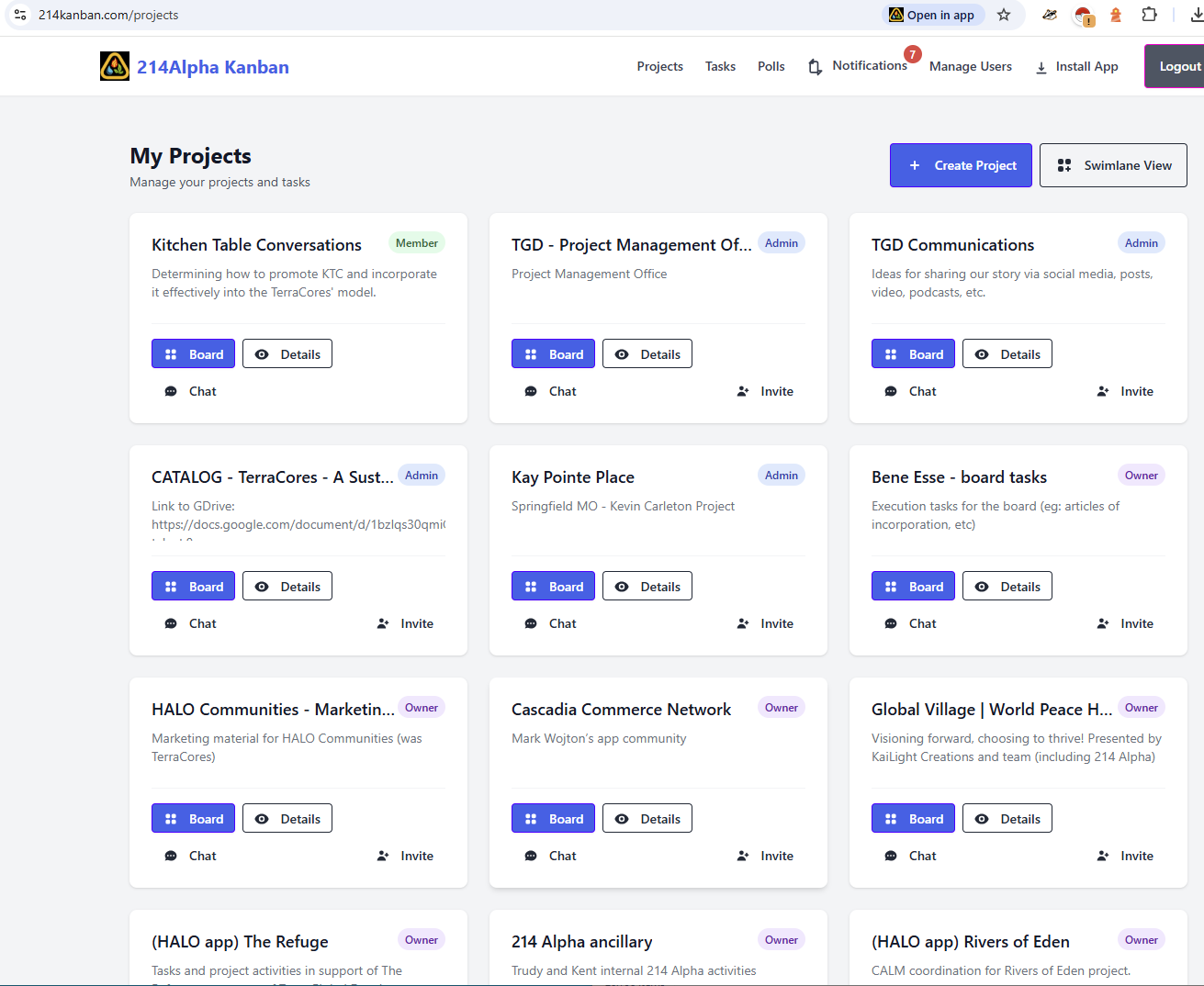
The community gets a coordination system. The people running it get one too.

Admin Activators need operational context, not another stream of disappearing chat.

Projects, task ownership, work-state, comments, files, cycle time, delivery metrics and dashboards make activation visible and manageable.

Contextual communication

Keep chit-chat in chat. Put work where work lives.

→

Conversation stays conversational. Work acquires ownership, state, history and context.

CALM activation

We don't give you an empty app and wish you luck.

The launch methodology deliberately builds supply, then demand, then economic diversity — with explicit gates that stop growth when trust, seller health or operator capacity isn't ready.

01

Seller formation

Recruit the first 50 sellers. Build onboarding, payment, support, communication and trust rhythms before public expansion.

02

Buyer activation

Open an already-populated marketplace. Build repeat transactions, map demand and refine accountability.

03

Diversify + stabilize

Strengthen weak categories, expand services, increase local economic circulation and prepare the ecosystem to sustain itself.

Under the marketplace

Seven functions. One coordination fabric.

Identity, contextual communication, marketplace exchange, financial coordination, reputation, adjudication and governance are integrated into one operational environment.

Identity + Verification
Contextual Communication
Marketplace Exchange
Financial Coordination
Reputation Economy
Adjudication
Governance
First-year deployment

Platform + operators + activation.

A first-year deployment combines the white-label coordination platform, Kanban Chat for Admin Activators, and CALM activation support.

$25,000 standard first-year package

$15,000 CALM onboarding + $10,000 first-year maintenance.

What you're actually buying

Not a member portal. Not a prettier marketplace. A coordinated operating environment designed to help an existing community create economic activity, steward the value it creates and increasingly coordinate itself.

Model my community →

Model My Community

Build the model for your community.

Tell us who you serve and what you’re trying to build. We’ll help you think through the economics, activation strategy, and whether Commonweave is the right infrastructure for it.

Start with the community you already have.
Membership, households, sellers, volunteers, institutions and existing economic activity.
Model a plausible first deployment.
We can examine participation, local commerce, operator capacity and the path to activation.
No empty app and a wish for good luck.
Commonweave combines the participant platform, operator tools and CALM activation methodology.
COMMONWEAVE · Community coordination infrastructure by 214 Alpha Inc.
Imagine scenarios are hypothetical Commonweave deployments whose mechanisms are informed by real field experience; they are not representations of actual customer performance or guaranteed results.